
Introduction
Technology continues to reshape industries, customer expectations, and business operations. Organizations seeking to remain competitive must continuously adapt to changing market conditions and emerging technologies.
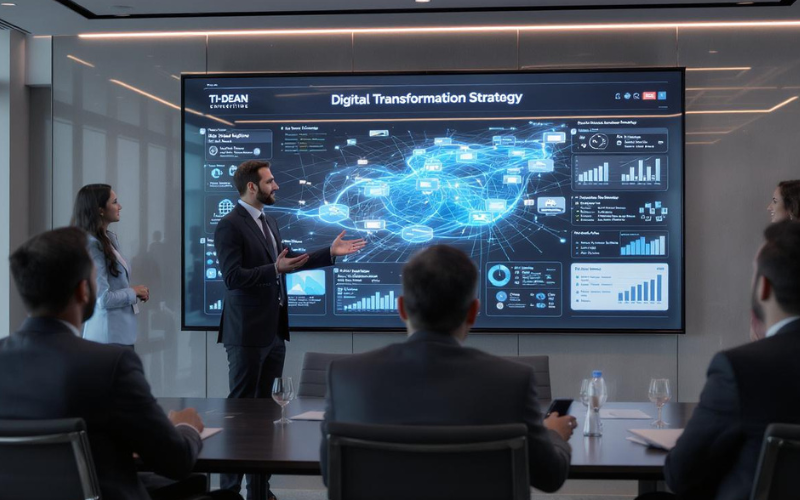
Digital transformation involves more than adopting new tools—it requires strategic planning, organizational alignment, and effective execution. IT consulting helps businesses navigate this complex journey by providing expert guidance, technical expertise, and strategic insights.
What is IT Consulting?
IT consulting involves advising organizations on how technology can support business objectives and improve operational performance.
Consultants help businesses:
- Develop technology strategies
- Modernize systems
- Improve processes
- Reduce risks
- Implement new technologies
- Optimize IT investments
The goal is to align technology initiatives with business outcomes.
Why IT Consulting Matters
Many organizations struggle with technology decisions due to limited internal expertise, rapidly changing technologies, and increasing complexity.
IT consultants provide:
- Industry knowledge
- Technical expertise
- Strategic guidance
- Objective recommendations
- Project management support
These capabilities help organizations make informed decisions and achieve successful outcomes.
Supporting Digital Transformation
Technology Strategy Development
Successful transformation begins with a clear roadmap.
IT consultants help organizations:
- Assess current capabilities
- Identify opportunities
- Define objectives
- Prioritize initiatives
A strategic approach ensures technology investments support long-term business goals.
Business Process Optimization
Consultants analyze workflows and identify inefficiencies.
Benefits include:
- Increased productivity
- Reduced costs
- Improved service delivery
- Better resource utilization
System Modernization
Many organizations rely on outdated systems that limit growth and innovation.
IT consultants assist with:
- Legacy system upgrades
- Cloud migration
- Infrastructure modernization
- Application modernization
Modern systems improve agility and operational efficiency.
Key Areas of IT Consulting
Cloud Consulting
Experts help organizations design and implement cloud strategies that improve scalability and performance.
Cybersecurity Consulting
Security specialists identify risks and implement protective measures.
Software Consulting
Organizations receive guidance on software architecture, development, and optimization.
Data and Analytics Consulting
Consultants help businesses leverage data for better decision-making.
Benefits of IT Consulting
Access to Specialized Expertise
Organizations gain access to professionals with deep technical and industry knowledge.
Cost Savings
Consultants help optimize investments and avoid costly technology mistakes.
Faster Project Delivery
Experienced consultants streamline planning and execution processes.
Reduced Risk
Expert guidance minimizes implementation challenges and operational disruptions.
Emerging Trends in IT Consulting
The consulting industry continues evolving alongside technology.
Key trends include:
- AI-driven business transformation
- Cloud-native strategies
- Data-driven decision-making
- Cybersecurity-first approaches
- Digital workplace modernization
Organizations adopting these innovations are better positioned for future success.
Choosing the Right IT Consulting Partner
Businesses should evaluate consultants based on:
- Industry expertise
- Technical capabilities
- Track record
- Communication skills
- Long-term support offerings
A strong consulting partnership contributes significantly to project success.
Conclusion
IT consulting plays a critical role in helping organizations navigate digital transformation and maximize technology investments. Through strategic planning, expert guidance, and effective execution, consultants enable businesses to improve efficiency, reduce risk, and achieve sustainable growth. As technology continues to evolve, IT consulting will remain an essential component of long-term business success.